Author: Stephanie Cox

The Ultimate Guide to Choosing the Right Marketing Company in Charlotte

Introduction

In today’s fast-paced digital world, effective marketing is crucial for any business looking to thrive. If you’re a business owner in the Queen City, you might be wondering how to find the best marketing strategies to reach your target audience. This is where a marketing company in Charlotte can offer valuable insights and expertise. In this article, we’ll explore what you need to know when choosing the right marketing partner in Charlotte.

Understanding Your Marketing Needs

Before seeking a marketing company in Charlotte, it’s essential to assess your specific marketing needs. Consider what you hope to achieve, whether it’s increasing brand awareness, generating leads, or improving customer engagement. Knowing your goals will help you communicate effectively with potential marketing firms and ensure they align with your vision.

Evaluating Options: Key Features to Look For

When searching for a marketing company in Charlotte, there are several key features to consider:

1. Experience and Expertise

Look for a company with a proven track record of success in various marketing strategies. Their experience in different industries can offer invaluable insights tailored to your specific market.

2. Range of Services

A full-service marketing agency can provide a comprehensive approach to your marketing needs. Services may include SEO, content marketing, social media management, and more. This diversity can help ensure all aspects of your marketing are aligned and working towards the same goals.

3. Understanding Local Market Dynamics

Choosing a marketing company in Charlotte that understands the local market can give you a significant edge. They will be familiar with regional trends, customer behaviors, and competitive landscapes that can affect your marketing strategy.

The Importance of SEO

In the digital age, Search Engine Optimization (SEO) is critical for online visibility. A knowledgeable marketing company will emphasize the importance of SEO in their strategies. If you are looking for quality services, consider connecting with a reliable Charlotte SEO and marketing company in Charlotte that can help your business rank higher in search engine results.

Assessing Results: Metrics that Matter

Finally, it’s vital to understand how to evaluate the results of your marketing campaigns. Work with your chosen marketing company to set clear metrics that will help measure success, such as website traffic, conversion rates, or social media engagement.

Conclusion

Finding the right marketing company in Charlotte can be a game-changer for your business. By understanding your needs and evaluating your options carefully, you can partner with a marketing firm that not only understands the local market but also has the expertise to help you achieve your goals. Whether you’re a startup or an established business, the right marketing strategy is essential for growth.

Read More

Unlocking Growth: How a Marketing Company in Charlotte Can Elevate Your Business

Why Choose a Marketing Company in Charlotte?

Finding the right marketing partner is crucial for any business aiming to thrive in today’s competitive landscape. In Charlotte, a vibrant hub for commerce and innovation, a marketing company in Charlotte can provide tailored strategies that resonate with local audiences and enhance your brand’s visibility.

The Importance of Local Expertise

A marketing company based in Charlotte understands the unique dynamics of the local market. They are familiar with the community’s culture, preferences, and trends, which allows them to craft strategies that appeal specifically to Charlotte’s diverse demographics. When you work with a local marketing partner, your business isn’t just another name on a list; you’re part of the community. This connection can build trust and contribute to your brand’s success.

Key Services Offered by a Marketing Company in Charlotte

When considering a marketing company in Charlotte, it’s essential to understand the range of services they provide. Here are some critical offerings you can expect:

1. Digital Marketing Strategies

In the digital age, having a strong online presence is non-negotiable. A marketing company in Charlotte will help you establish an effective digital strategy that includes search engine optimization (SEO), social media marketing, and pay-per-click advertising. These strategies are designed to increase your visibility and reach target customers effectively.

2. Content Marketing

Content is king when it comes to engaging and retaining customers. By partnering with a Charlotte-based marketing firm, you can develop compelling content that speaks to your audience’s needs and interests. This can include blog posts, videos, infographics, and case studies that not only boost your SEO but also position your brand as a thought leader in your industry.

3. Branding and Design

Your brand is your business identity. A marketing company in Charlotte can assist you in crafting a cohesive brand image that reflects your values and resonates with your customers. From logo design to comprehensive branding strategies, they can help ensure that your brand stands out in the marketplace.

Why SEO Matters

Search Engine Optimization (SEO) is a cornerstone of any effective marketing strategy. A specialized Charlotte SEO and marketing company in Charlotte can optimize your website to improve its ranking on search engines, ultimately driving more traffic to your site. Effective SEO strategies boost your credibility and make it easier for potential customers to find you when they need services or products that you offer.

Measuring Success

Working with a marketing company in Charlotte should involve a clear understanding of performance metrics. Regular reporting and analytics can help you evaluate the effectiveness of your marketing campaigns. Look for a company that provides insights into key performance indicators (KPIs) so you can track your return on investment (ROI) and make informed decisions about future strategies.

Conclusion

In conclusion, partnering with a marketing company in Charlotte is not just a business decision; it’s an investment in your company’s future. With local expertise, a wide range of services, and a strong emphasis on SEO, you can position your business for sustained growth and success. As Charlotte continues to grow as a central business district, the right marketing partner can provide the edge you need to stand out.

Read More
Top Marketing Companies in Charlotte: How to Choose the Right One

Introduction

In the ever-evolving landscape of digital marketing, businesses in Charlotte face unique challenges and opportunities. The right marketing company in Charlotte can be instrumental in helping your brand navigate this landscape. This article will explore how to choose the best marketing partner for your needs, the services they offer, and the benefits of working with a local expert.

Why Choose a Local Marketing Company?

Choosing a marketing company in Charlotte allows you to work with a team that understands the local culture, market trends, and consumer behaviors. Local agencies can provide personalized services that cater specifically to the Charlotte audience. They are also more accessible for face-to-face meetings, offering a level of collaboration that remote agencies might lack.

Understanding Your Business Needs

Before selecting a marketing company in Charlotte, it’s essential to understand what your business needs. Are you looking to improve your online presence, enhance brand awareness, or drive sales? Some common services offered by local agencies include:

  • Search Engine Optimization (SEO)
  • Pay-Per-Click Advertising (PPC)
  • Social Media Marketing
  • Content Marketing
  • Brand Strategy Development

Evaluating Potential Agencies

When evaluating different marketing companies, consider their portfolio, client testimonials, and case studies. A reputable marketing company in Charlotte should have a proven track record of delivering successful campaigns. Additionally, look for agencies that specialize in your industry, as they will be better equipped to understand your unique challenges and audience.

Services Offered by Marketing Companies

Most marketing companies offer a wide range of services designed to increase visibility and drive traffic to your business. This can include:

  • SEO Services: Optimizing your website to rank higher on search engines, leading to increased organic traffic. Many companies in Charlotte specialize in Charlotte SEO and marketing.
  • PPC Campaigns: Creating targeted ads on platforms like Google Ads and Facebook that can provide immediate results.
  • Content Marketing: Developing relevant and engaging content that resonates with your audience and encourages them to interact with your brand.
  • Social Media Management: Cultivating an engaging presence on social media platforms to connect with customers and build community.

The Benefits of Working with a Marketing Company in Charlotte

Working with a local agency can offer your business several advantages:

  • Personalized Service: Local agencies can provide tailored marketing strategies that fit your specific goals and market.
  • Networking Opportunities: They often have existing relationships with other local businesses and influencers, which can benefit your marketing efforts.
  • Quick Response Times: Proximity allows for faster communication, which is crucial in the fast-paced world of digital marketing.

Conclusion

Choosing the right marketing company in Charlotte can dramatically influence your business’s growth and success. Take the time to evaluate your options carefully, consider their expertise and alignment with your goals, and don’t hesitate to ask for references. By doing so, you set your business up for effective marketing strategies and, ultimately, increased profitability.

Read More
Finding the Right Marketing Company in Charlotte: A Guide for Local Businesses

Understanding the Importance of a Marketing Company in Charlotte

In the bustling business environment of Charlotte, North Carolina, choosing the right marketing company in Charlotte can make a significant difference in your brand’s visibility and growth. With the rise of digital marketing, local businesses now have access to a wide array of tools and strategies to promote their services effectively.

Why Local Expertise Matters

Partnering with a marketing company in Charlotte provides your business with local insights that can drive your marketing strategies. These companies understand the unique challenges and opportunities that come with operating in this vibrant city. From competition analysis to localized strategies, their expertise can help navigate the Charlotte market landscape.

Tailored Marketing Strategies

A professional marketing company can tailor strategies specifically for your target audience. For instance, they can optimize your social media presence, enhance your content marketing strategies, and develop SEO-friendly content that resonates with local consumers. They ensure that your messages are not just reaching people, but the right people. SEO is particularly crucial, as it elevates your business’s visibility in search engine results, ensuring potential customers find you when searching for your services.

Incorporating Digital Marketing Techniques

In today’s digital age, utilizing effective digital marketing techniques is a must. A leading marketing company in Charlotte should offer services like search engine optimization (SEO), pay-per-click advertising (PPC), social media marketing, and email campaigns to enhance your online presence. These methods not only drive traffic to your website but also help in converting visitors into loyal customers.

Focusing on SEO: A Must for Charlotte Businesses

When seeking a marketing company in Charlotte, it’s essential to find one that prioritizes SEO. This includes optimizing your website structure, conducting keyword research, and implementing on-page SEO tactics. For optimal results, consider working with a Charlotte SEO and marketing company in Charlotte that can help you achieve higher ranking on search engines, making it easier for customers to discover your products or services.

Evaluating Potential Marketing Partners

As you research marketing companies in Charlotte, keep these factors in mind:

  • Portfolio and Case Studies: Assess their previous work and the results achieved for clients in similar industries.
  • Client Testimonials: Positive feedback from past clients can give you insights into their working style and effectiveness.
  • Service Offerings: Ensure they offer the full spectrum of services necessary for your business growth.
  • Communication: Choose a company that values consistent communication and transparency in their processes.

Conclusion

In summary, selecting the right marketing company in Charlotte is vital in establishing a strong presence in the marketplace. With the right guidance and partnership, your business can leverage tailored marketing strategies that resonate with local audiences. Don’t hesitate to reach out to a reputable Charlotte SEO and marketing company in Charlotte to elevate your marketing efforts and achieve your business goals successfully.

Read More
How Does A Good Lawyer Try A Case?

Investigation

A thorough investigation of the facts in dispute must occur immediately. Critical evidence and important witnesses can be lost if a prompt investigation is not conducted. Our firm employs numerous investigators and experts to ensure that valuable evidence is preserved.

A good criminal defense trial attorney must be able to perform a thorough investigation that includes review of the charges and the alleged facts, defenses and affirmative defenses, and potential sentence and sentencing issues.

An analysis of potential constitutional issues is also exceedingly important, as violations can result in the evidence being deemed inadmissible at trial. A good criminal trial attorney will also find any hidden evidence, unknown witnesses or other mitigating factors to strengthen the client’s case.

Preparation

Much of what distinguishes attorneys is the preparation phase. After thoroughly analyzing and researching the facts of the case, a good criminal trial attorney will be able to identify the strengths and weaknesses of the case.

It is vital that the lawyer develops a defense “strategy.” It is also important that a good criminal trial attorney file motions during the pretrial phase to thoroughly prepare the case for trial.

Research

A good criminal trial attorney must know how to apply current law and past legal precedent to a client’s exact situation to develop a solid defense strategy. Every case favorable to a client’s case should be made known to the trial court.

A good lawyer will not perform bare-bones legal research but will research case law in all jurisdictions to locate favorable decisions.

Presentation

A good criminal trial attorney knows how to properly navigate a trial, from jury selection to opening statements, questioning witnesses and beyond.

A good lawyer must make effective use of questioning, cross-examination, legal challenges and presentation of alternative theories of the crime to ensure that the client receives a fair trial and is able to present any evidence that could raise a reasonable doubt about guilt.

Use Of Experts

Good criminal trial attorneys will hire effective expert witnesses and investigators to develop facts that strengthen the case.

Storytelling

Good criminal trial attorneys know that good stories hold the jury’s interest. Stories are essential in virtually every part of a trial, from opening statements to the questioning of witnesses, to closing arguments.

Good stories can arouse the judge and jury’s sense of injustice. Such narratives form the blueprint by which to persuade the jury to return a verdict of not guilty.

Our Awards Represent Our Level Of Dedication

In line with these principles, our attorneys have won dozens of awards for our groundbreaking work. To name a few: U.S. News and World Report’s Best Law Firms Award, Martindale-Hubbell AV Preeminent ratings* and Super Lawyers. Our awards represent nights and weekends working tirelessly to defend an individual’s rights and freedom. Those honors reflect hours and hours pounding the pavement, reaching out to witnesses and preparing cases. The plaudits speak to our thorough research and complete dedication to achieving justice for our clients.

Ultimately, the awards and honors speak to the level of motivation that our entire team of attorneys has to serve people like you.

How To Contact Us

To learn more about how we can help you defend your criminal case,

Read More
PARALEGAL SKILLS FOR THRIVING IN COURT

Paralegals working alongside attorneys in the courtroom is becoming the new normal. As the go-to person for seemingly countless duties, paralegals oversee many aspects of going to trial. Here some key paralegals skills for thriving in court:

  1. Make a good first impression. For starters, first impressions are lasting impressions. Everyone will have their eyes on you in one way or another. A paralegal should act calm and confident in dealing with the trial attorneys, your support team, courtroom personnel and members of the opposing team throughout the trial process. Always speak clearly and confidently. Never shy away, be unpleasant, or recoil when addressed.
  2. Get to know the key players. Using your paralegal skills to thrive in court means knowing the court procedures and employees. Be sure to politely introduce yourself to the security guard, courtroom bailiff, and court clerk and hand them your business card and let them know you are available for anything they might need. Ask if they have any special procedures during trial and be sure and ask when you can obtain a copy of the jury list and how they will seat the jurors for jury selection. You will also want to become familiar with the courtroom layout before a trial, which means contacting the courtroom clerk to visit the courtroom before the trial to examine the courtroom layout and test your equipment. During your visit, draw a diagram of the courtroom, marking the jury box, counsel tables, electrical plugs, lighting, best places to set easels, electronic equipment, and the likely placement of your trial boxes, etc.
  3. Arrive early.  On the morning of trial, plan on arriving at the courthouse early, so you can test your equipment (again) and get your trial setup organized. Having a good setup will allow you to easily access items you want to keep with you at all times, like your admitted exhibits folders, notes, exhibit lists, exhibits to be introduced, subpoena file, deposition summaries, etc. Resolve all the issues of moving, positioning and displaying exhibits and the visual aids before the trial starts. The worst time to realize your trial setup is not user friendly is under the watchful eyes of the judge and jurors, and opposing counsel poised and ready to pounce at the slightest indiscretion.
  4. Prepare thoroughly. Determine in advance which exhibits will be offered and through which witness. This way you can pull the exhibits in advance and have them ready for the attorney when, and if, needed. There will always be that time during trial when you will be asked to find something on the spur of the moment. The best preparation in times like these is knowing where everything is and having everything clearly labeled.
  5. Project a calm and collected demeanor—no matter what.Never let anyone see you sweat. Maintain your composure while your mind frantically searches for the document. Take a deep breath, stay calm and search methodically until you locate the document. If you are unsure, calmly ask the attorney to describe in more detail what you need to find. What may seem like an eternity is really only a few moments. Keep track of the exhibits and documents pulled by the attorneys. When they are through with them, put them away where they belong, not just setting them anywhere. A disorganized area is a stressful area and it will make an impression on the jury.
  6. Familiarize yourself with the judge’s preferences. Judges have a certain set of written and unwritten rules they follow in their courtrooms. Some judges have inflexible rules you violate at your own peril, while other judges operate in a lenient manner; some are testy; others very patient. The judge’s clerk will know the judge best and will be a good resource.
  7. Obtain a copy of the jury list as soon as possible. It is usually provided to the attorneys by the bailiff or the judge’s clerk. Fill in the names of the potential jurors and other important information from the jury list on a chart for the attorney and as well for yourself. Prepare the seating chart to reflect the courtroom when possible. Choose different ink colors for plaintiff and defense portions of voir dire. This way, you can which side supplied which information at a glance. Leave a dedicated space at the bottom of the chart for exact quotations that can be vital to getting or defending a cause challenge.
  8. Keep a seating chart of the jurors and document relevant information. Paralegals are also tasked with observing all the jurors’ reactions to the questioning and noting each juror’s answers to the attorney’s questions. This will help you and the attorney identify which jurors you are talking about when the attorney goes back to select the peremptory challenges. Although the judge ultimately determines whether a particular juror should be stricken for cause, attorneys play a crucial role in the decision-making process. The removal of potential jurors because of prejudice or bias reasons, whether inferred or actual, may be identified through a paralegal’s note taking that otherwise might have been overlooked by an overwhelmed attorney. By use of good note taking, the paralegal can gather information that can be used for removing bad .

Paralegals bring many skills with them into the courtroom and contribute immense value to the legal team’s ability to achieve the best outcome for clients. If you would like to work with a team of highly skilled paralegals and attorneys, contact us today for a free consultation.

Read More
What is a torch?

torch is a portable handheld electric lamp which is battery powered. They’re also referred to as flashlights in the US, whereas torch is the more popular name in other English-speaking countries.

Throughout history, people have had a need for light sources which could move with them, which led to the evolution from candles to oil lamps and kerosene lamps. However, these methods of lighting are potentially dangerous, as they have a flame as the light source.

The invention of the incandescent electric light bulb and dry battery at the end of the 1800s provided a solution to this risk, and enabled the invention of the device used today.

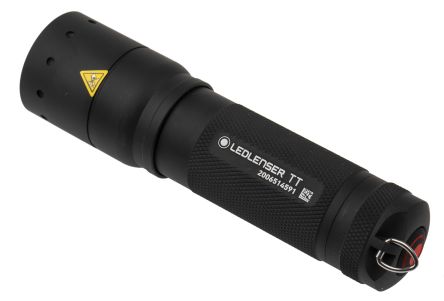
Led-Lenser-TT-LED-Torch

When were handheld torches invented?


The first dry cell battery was manufactured by the National Carbon Company in 1896, after German physician Carl Gassner invented it in 1888. It’s a type of electric battery which was an improved version of its predecessor, as its electrolyte was a paste instead of a liquid.

Thanks to this, it could work in any position and wouldn’t break or spill as easily – making it ideal for a portable light source. So in 1899, British inventor David Misell developed the first model.

Torch or flashlight?


Before it was invented in the 1890s, the word torch was used to describe a stick which could be lit and used as a light source.

Led-Lenser-SEO-3-LED-Head-Torch

When flashlights became widely used across the globe, they were originally known in Britain as electric torches. The word electric was later dropped, as it became synonymous with what Americans referred to as a flashlight.

But this device was originally named a flashlight when it was first invented, because the zinc-carbon batteries which powered it couldn’t provide constant currents for extended periods of time – which meant they had to keep being turned off.

It was given the name by Russian inventor Conrad Hubert, who brought Misell’s invention to market. However, it’s now argued that because modern-day models no longer have to be turned off, so they no longer ‘flash’, this name shouldn’t be used.

Led-Lenser-X21R2-LED-Torch

How do torches work?


Modern-day devices most commonly feature LED bulbs. In order for electrons to be produced, the light must have some type of power source, so they’re powered by batteries, which can be either disposable or rechargeable.

Alkaline batteries are very affordably priced and able to last between four and 10 hours on one set, while rechargeable batteries are powered by lithium-ion.

The different parts


The tube part is the section that holds the different parts of the device, which is called the case.

The bulb is the source of illumination, and is usually either a tungsten filament incandescent bulb or – more commonly in newer models – an LED bulb.

The batteries rest on a small spring that’s connected to two contact strips, which are thin strips of metal – often made of copper or brass – located throughout the device. This makes the electrical connection between the batteries, the lamp and the switch. These parts conduct electricity and complete the circuit.

When the switch is pushed to the ‘on’ position, it begins a flow of electricity powered by the battery.

The reflector part at the front is formed of plastic and coated with a shiny aluminium layer which bends around the bulb, to direct the rays forward so they provide a steady light beam. This is then covered with the lens; a clear plastic at the very front of the device which protects the glass bulb from breaking.

When the switch is pushed into the ‘off’ position, the contact strips are moved apart and the path for the electrical current is broken, which stops the device producing light.

Led-Lenser-SEO-3-LED-Head-Torch

Types of Torches


Tactical torch

Penlight

Keychain and clip torches

This light is designed for tactical use, for example in the military or police force. Some models can be mounted to a weapon. They’re generally smaller than typical models, and emit a lot of light. A lot of models are made from aluminium for robustness. These are small devices shaped like a pen. They’re often used in the medical industry to check areas of the mouth, throat and to assess pupil response. These are smaller, more lightweight models which offer even more portability thanks to the keyring/clip. This means it can be attached to anything, from a set of keys to a rucksack – ideal for activities such as camping.
Click to shop for tactical torches Click to shop for pen torches Click to shop for keychain and clip torches

Rechargeable torch

Right angle torch

Head torch

These feature a lithium-ion battery which can be charged once it’s flat, instead of having to be replaced. This reduces the cost of buying batteries and means they’re more environmentally friendly. Models that can be recharged are generally more expensive, but they often provide more light. This design is either front-facing or features an articulating head, so the user can adjust the angle and positioning of the light. It will typically attach to the user’s chest to light up the area in front of them. This model is often used by firefighters, as it’s a hands-free device. This light is affixed to a headpiece, so it can still illuminate surroundings while leaving the user’s hands free. It’s ideal for outdoor activities such as caving, hiking and camping, as well as work environments to increase productivity and quality.
Click to shop for rechargable torches Click to shop for right angle torches Click to shop for head torches

Maglite Torches


A Maglite, also spelled Mag-Lite, is a brand manufactured in the US by Mag Instrument. It’s made from aeroplane aluminium, making it weather and shock-resistant.

It was first made in the early 1970s by Tony Maglica, after he discovered the police were having issues with the torches being used at the time. They were usually made from plastic and broke too easily, so Maglica designed a product so sturdy that it could also serve as a club. His design was patented in 1979.

This model features a twisting head which can be adjusted so the beam can both flood a crime scene as well as narrow in to focus on a small area.

That’s why the Maglite is now used by professionals worldwide and is one of the most famous lights used by the army, the police and emergency service professionals.

Torch performance


Light output


This is measured in lumens, which is the unit of measure of the total amount of visible light produced by a source, meaning this indicates how bright it is. The more lumens it produces, the brighter the light will be.

Basic models are usually 10 lumens, while high-specification lights can be over 18,000 lumens.

LED (light-emitting diode) lights tend to be the preferred choice, as they offer greater energy efficiency, better battery consumption, increased brightness, and better impact resistance than incandescent light bulbs.

Read More
5 Essential Tips On Your Path To Becoming A Lawyer

Lawyer signing documents

The road to becoming a lawyer is a long and difficult one, however, it is also an achievement that only the best talents can attain. The fact that you are even thinking about it shows that you have the determination and desire to succeed. Despite the difficulties, it is also a profession that will bring incredible job satisfaction and financial reward. If this sounds like your dream career path, here are five essential tips to reach your goals and become a lawyer.

1. Shine During High School

Excelling during high school not only can put you ahead of your competition when it comes to applying for colleges, but it also puts you in the correct frame of mind to pursue a career in law. You are going to have to work hard, so start working hard early. Get involved in extracurricular activities and take part in other activities that involve debating and meeting people as your personal skills will be key once you leave college.

2. Consider Participating In A Clerkship

A clerkship can give you the opportunity to work for a law firm over the summer or part-time. This will give you essential experience and law firms will look favourably upon this attribute on your résumé. There is also the possibility that the law firm that is providing you with the clerkship may take you on once you graduate from law school. If you are struggling financially and need extra funds to help you with living costs during an internship or clerkship, you can consider personal loans from private lenders. Doing so will keep you financially stable until you start to make money.

3. Get Involved In College

Like with high school, you should be getting involved as much as possible while at college. If there are positions of responsibility available you should be applying for them. Take extra classes if you need them and try to foster good relationships with your professors, as it will be them who are writing your reference for law school. If you can find work experience, this will help you even more as it shows your willingness to put yourself out there and start learning early.

4. Don’t Get In Trouble With The Law

It might seem obvious, but it is worth emphasising that you should not get in trouble with the law as it could prevent you from having a career in law. Bar Associations usually put candidates through a moral screening process and any involvement with the law will not look good. The number one rule of becoming a lawyer is to stay out of trouble.

5. Network

Your network can never be big enough, especially in an industry as competitive as law. Start networking early and never miss the opportunity to do so when you are at college or completing an internship or clerkship. The main importance of networking is your connections as they could provide you with opportunities that will completely change the course of your career. Networking works both ways and, to maintain your network, you will need to be prepared to help others when they are in need. A good network will also be able to provide you with advice and support during your journey.

Read More
Questions to Ask Your Lawyer During a Consultation

Consultation with Attorney

Knowing that questions to ask your lawyer during this consultation can make finding the right attorney much easier. These should include:

1) What kind of experience do you have with similar cases?

You need to know how comfortable the lawyer is with cases like yours. While every case is somewhat different, the attorney will likely find some similarities between your case and a case s/he handled previously.

Related questions may include:

  • Where did you attend law school?
  • How long have you been practicing in Pennsylvania?
  • What types of cases do you handle?
  • How often do you handle cases similar to mine?
  • Can you tell me about a case you handled similar to mine? What was the result?
  • Do you have any client testimonials?

2) What would be your strategy for my case?

Most lawyers do not offer specific legal advice in an initial consultation, but s/he should explain the possible approaches to handling your case. S/he may also offer a general overview of the strategy s/he will follow.

Related questions may include:


  • What strategies have you used for similar cases in the past?
  • How long do you think this case could take using this strategy?
  • What are the pros and cons of this strategy?


3) Are there any alternatives to going to court?

Especially in personal injury cases, there is often a good chance you can avoid going to court. A lawyer will usually try to negotiate a fair and just settlement with the insurance company before resorting to filing a lawsuit. Even once you file a suit, mediation and arbitration may be possible. Both of these options can help you avoid going to court.

Related questions may include:

  • What percentage of your cases has settled out of court?
  • Do you consider yourself an effective negotiator?
  • Are you comfortable taking this case to trial if you cannot reach a just settlement?
  • Will you prepare my case for court even if you plan to settle out of court?

4) What are my possible outcomes?

Some lawyers may only tell you what you want to hear. The right lawyer, however, will give you an honest look at how your case may conclude. No lawyer can give you an exact value of your case or promise that you will reach an out-of-court settlement, but s/he can offer possibilities based on his/her experience.

Related questions may include:


  • Do see us running into any major issues?
  • What are our chances of avoiding a lawsuit?


5) Who will actually handle my case?

While you may meet with one lawyer, others in the legal office may work on your case. This often includes other attorneys and paralegals. You will want to know who your point of contact is within the office, and the experience of those working on your case.

Related questions may include:


  • Who should I call with questions about my case?
  • How often can I expect updates or reports? How will I receive these updates?
  • Will you represent me in settlement negotiations and/or court?


6) What is my role in my case?

Attorneys desire different levels of participation from their clients. Your attorney probably will not want you to talk to witnesses or the insurance company without prior approval, but s/he may need you to compile documentation of your injuries and other similar tasks.

Related questions may include:


  • What do you need from me to build the strongest possible case?
  • What should I avoid in order to win my claim?


7) How much will this cost me?

It is never fun to talk about money, but this is the time to do it. Most personal injury lawyers charge based on contingency. This means you pay nothing until you receive your settlement. There may, however, be another fee structure or additional fees you need to pay.

Related questions may include:

  • What is your fee structure? Contingency? Hourly? Flat fee?
  • Will there be any additional costs?
  • Can you give me an estimate of the total cost of my case?
  • Check out our bios to learn more about our team.
Read More
How to Find Legal Help When You Can’t Afford a Lawyer
Senior woman having discussion with her lawyer, financial advisor or real estate agent

One option is law schools that have pro bono programs in which law students offer free legal advice.GETTY IMAGES

Whether you need help drawing up a will or a contract – or you’re facing some sort of legal jeopardy or dilemma – hiring an attorney can be expensive.

According to USLegal.com and related websites, most lawyers charge between $100 and $300 an hour. That can feel prohibitive if you need a lawyer to get you out of a legal jam or protect your assets, but you don’t feel like you have any money to spare. Here are some reasons you may need a lawyer:

  • Family law issues, like a contentious divorce.
  • Estate planning.
  • Personal injury.
  • Criminal charges.
  • A restraining order.
  • Your business needs to be restructured or dissolved.
  • You are facing bankruptcy.

In a criminal proceeding, if you can’t afford legal assistance, a court will appoint an attorney for you. In a civil case, generally described as a dispute between two private parties, to get legal representation, you have to get creative.

How to Find Free Legal Help

If you can’t afford an attorney, here are some strategies to try:

  • Contact the city courthouse.
  • Seek free lawyer consultations.
  • Look to legal aid societies.
  • Visit a law school.
  • Contact your county or state bar association.
  • Go to small claims court.

Depending on your situation, you can employ a variety of strategies to get free legal advice or cheap legal assistance. Read on for more information on each option.

Contact the City Courthouse

Andrea Vacca, a collaborative divorce attorney in New York City and the owner of Vacca Family Law Group, says at least with divorces, “some courts offer free assistance to parties who want to fill out their own uncontested divorce paperwork.”

Still, whether it’s a divorce or something else bringing you to court, if you don’t have a lawyer, a logical move is to call the courthouse and ask what resources are available.

Seek Free Lawyer Consultations

Some attorneys offer free consultations – usually by phone or video conference. Even if it’s just a 15-minute call, you may at least get a better sense of what you’re in for. You might also be able to get some guidance on who can help you for free or if there’s a cheap attorney, or at least an affordable attorney, that you can hire.

Look to Legal Aid Societies

Legal aid societies are nonprofit organizations that provide free legal services to low-income people. While this is certainly worth exploring, the problem for many households is that they make too much money to qualify for help.

And even if you have a low income, it doesn’t necessarily mean you’ll receive legal aid. According to a 2017 report by the Legal Services Corporation, a nonprofit organization established by Congress to ensure equal access to justice for all Americans, 86% of the civil legal problems reported by low-income Americans received inadequate or no legal help in the previous year. But a lot of people are eligible. A 2020 LSC report revealed that in 2019, the latest year for which data is available, approximately 53.9 million Americans were eligible for LSC-funded civil legal aid.

You can find more ideas at LawHelp.org, a nonprofit aimed at connecting people with low and moderate incomes to free legal aid programs in their communities.

Visit a Law School

You could also consider hiring a law student to give you advice.

Many law schools have pro bono programs in which law students offer free legal advice. Schools that offer such programs include American UniversityAppalachian School of LawArizona State UniversityHoward UniversityTulane University and many others.

If you have a university in your area with a law school, check to see if legal aid is available.

Contact Your County or State Bar Association

The Akron Bar Association, in Akron, Ohio, is an example of what’s available. You can call the second and fourth Fridays of each month from 9 a.m. to 11 a.m., as part of the Ask an Attorney Service, and they’ll answer legal questions for free.

If you need advice that doesn’t fit in that window, the association offers a 30-minute consultation with an attorney for $30, and for certain topics – for instance, Social Security, unemployment, workers’ compensation and personal injuries, among others – they’ll offer the 30-minute consultation for free.

Go to Small Claims Court

Unfortunately, this isn’t a viable option for everyone. For instance, you can’t go to small claims court if you’re trying to work out your financial affairs after a divorce. But if the stakes are fairly low and someone owes you money or is trying to collect money from you, and it isn’t worth risking lawyer fees, you might consider small claims court.

Your home state will dictate how high the stakes are. For instance, in Delaware, the most you will be awarded or lose is $25,000; in Rhode Island, the amount is $5,000.


Do I Need a Lawyer?

After talking to an attorney or law student, you may decide that you do need a lawyer – and you may find one who will work with a small budget. An attorney might give you a discount. Also, many attorneys offer payment plans that allow you to pay monthly instead of one huge sum all at once.

Of course, you could find a pro bono lawyer, or you might find someone willing to take your case on contingency. That is, if you lose your case, you won’t pay, but if you win, the law firm will take a portion of the money awarded to you.

However, it’s important to proceed carefully before choosing a lawyer. Choose a reputable attorney and make sure the rate is agreed upon before the lawyer takes your case. And don’t be shocked if an attorney turns you down. It’s risky for lawyers to take cases on contingency, and they need to be confident that a judge or jury will side with you.

While no legal expert will suggest that you represent yourself, it is an option if you’re in a financial bind. That doesn’t mean it is a good option, though.

Bert Martinez, a revenue and marketing strategist based in Phoenix, once represented himself in court. His problems started after sending a junk-fax spammer a cease and desist letter.

That letter escalated into a lawsuit. According to Martinez, the spammer’s company claimed the letter had to be researched by its law firm, which set the company back thousands of dollars. Martinez found himself in court, defending himself against two attorneys. Before his court date, however, he went to the courthouse to listen to proceedings. He suggests sitting in court every day for a week or even up to 10 days.

“Introduce yourself to the clerk of that courtroom,” he advises. “Explain why you’re there – to observe and become familiar with how this courtroom operates.” By visiting the courtroom, Martinez says, you can see what kind of judge you’ll likely be working with, and you’ll become accustomed to the sights and sounds of the courtroom, which will make things less intimidating later. You have to be prepared, Martinez says, because “you’ll be held to attorneys’ standards.”

Martinez prevailed. Of course, many people don’t have the time to take off work and visit a courtroom for five to 10 business days or to study up on law for hours and hours.

In short, if you can’t find enough free legal advice to help you have your day in court, it’s a wise decision to seek a competent attorney – even if you feel like you can’t financially swing it. If your legal problem is serious enough, money or no money, it may be the case that you can’t afford not to hire one.

Read More